
2025: Prof. Andrew Jeffs
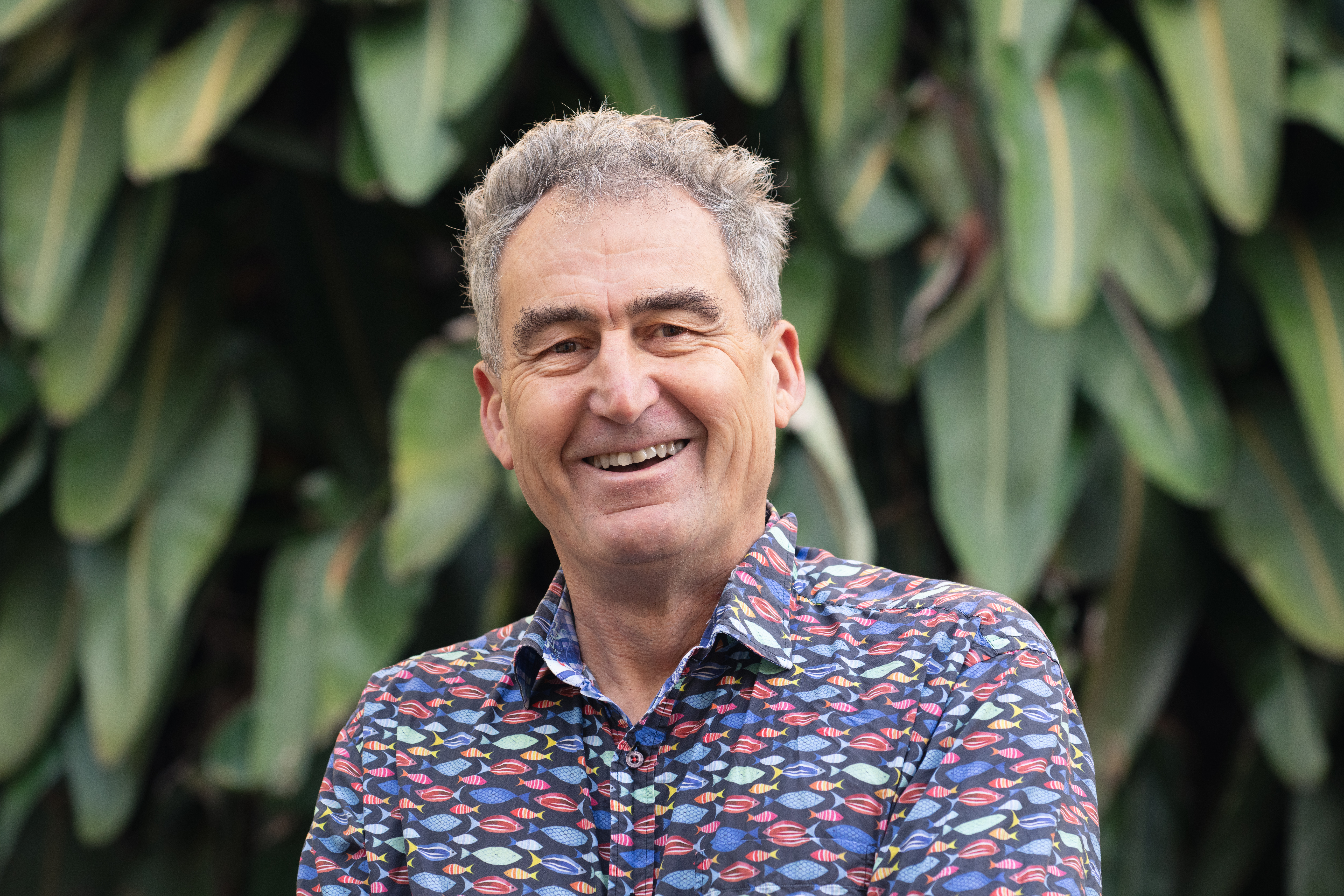
Andrew is one of Aotearoa’s eminent marine biologists. Early in his career, Andrew trained in journalism and became the science and environment reporter for the NZ Herald, highlighting the plight of native species. During his time at the Department of Conservation, Andrew was responsible for establishing new marine protected areas around the country. Since completing his PhD on shellfish ecology, Andrew has published more than 365 peer-reviewed articles. His research over many years has contributed to the management of fisheries and marine reserves in Aotearoa. Andrew has been a pioneer in the research field of underwater sound, which has opened our ears to the secret lives of marine organisms. Andrew’s extensive mussel ecology research has underpinned mussel reef restoration in Aotearoa; his collaboration with community group ‘Revive our Gulf’ has become the largest mussel restoration in the world. Pivotal research collaborations with mana whenua has seen mātauranga Māori embedded into restoration practice through the use of native plant fibres for mussel seeding ropes. Andrew has supervised more than 90 postgraduate students, has a passion for science communication and education, and acts as a scientific expert in fisheries and sand mining court hearings.
2024: Dr Collin O'Donnell
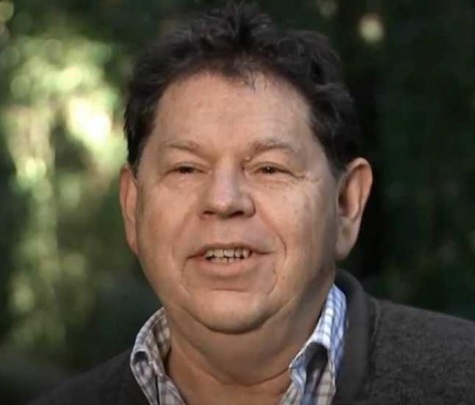
Colin O’Donnell is a giant in the ecology of Aotearoa’s fauna, whose research has improved the understanding and conservation of our wildlife across alpine, forest, braided river and wetland ecosystems for the past four and a half decades. He is renown as a scientist and practitioner of ecology with a life-long commitment to the conservation of Aotearoa’s threatened species and habitats. In 2024, Colin was made an Officer of the New Zealand Order of Merit (ONZM) for his services to wildlife conservation. He has published over 170 peer-reviewed papers on New Zealand ecology, 35 unpublished Department of Conservation reports, and has created and maintained several unique long-term datasets. Colin has also made direct impacts on improving biodiversity outcomes through his work with threatened species, and many appearances presenting meticulously prepared expert evidence to hearing panels and the Environment Court. He has had a positive and inspiring influence on many emerging researchers through his dedication to generous and effective mentoring, and actively engages with several community conservation groups. The New Zealand Ecological Society has also benefited extensively from Colin’s energy and commitment as a former council member, treasurer and editorial board member for the Society’s journal.
2023: Dr Susan Wiser
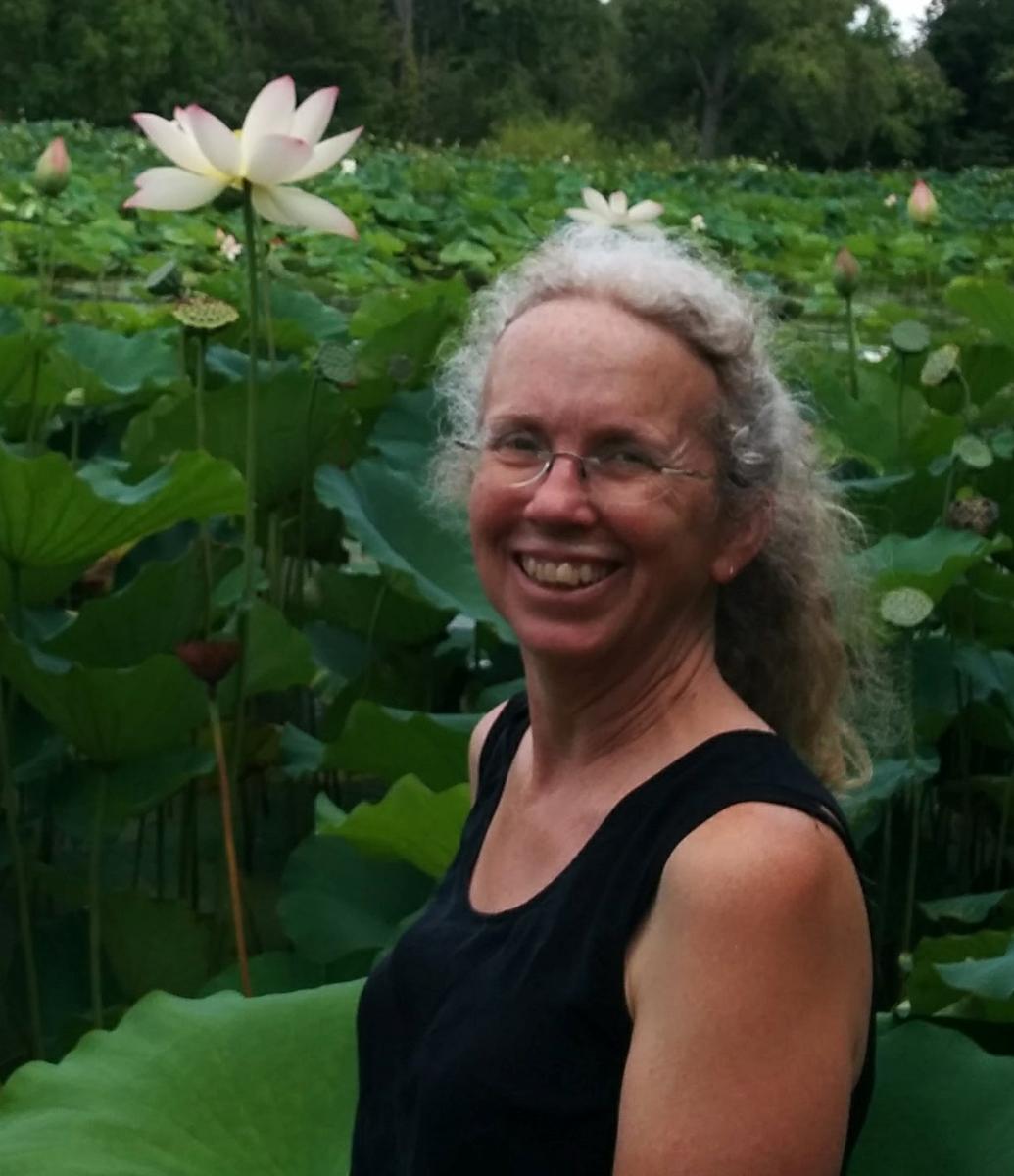
Over the past 28 years Susan has made impressive contributions to the study and application of ecology with a focus on systems in Aotearoa New Zealand. In particular, she has made outstanding contributions in advancing definitions of national terrestrial ecosystems using quantitative classification of vegetation types. She led the development of the National Vegetation Database, and continues to work on upgrades; it is now difficult for NZ ecologists to imagine ever being without this excellent resource! Her work is of international standing with an impressive publication record, but has a distinctly NZ impact.
2022: Distinguished Professor Philip Hulme FRSNZ
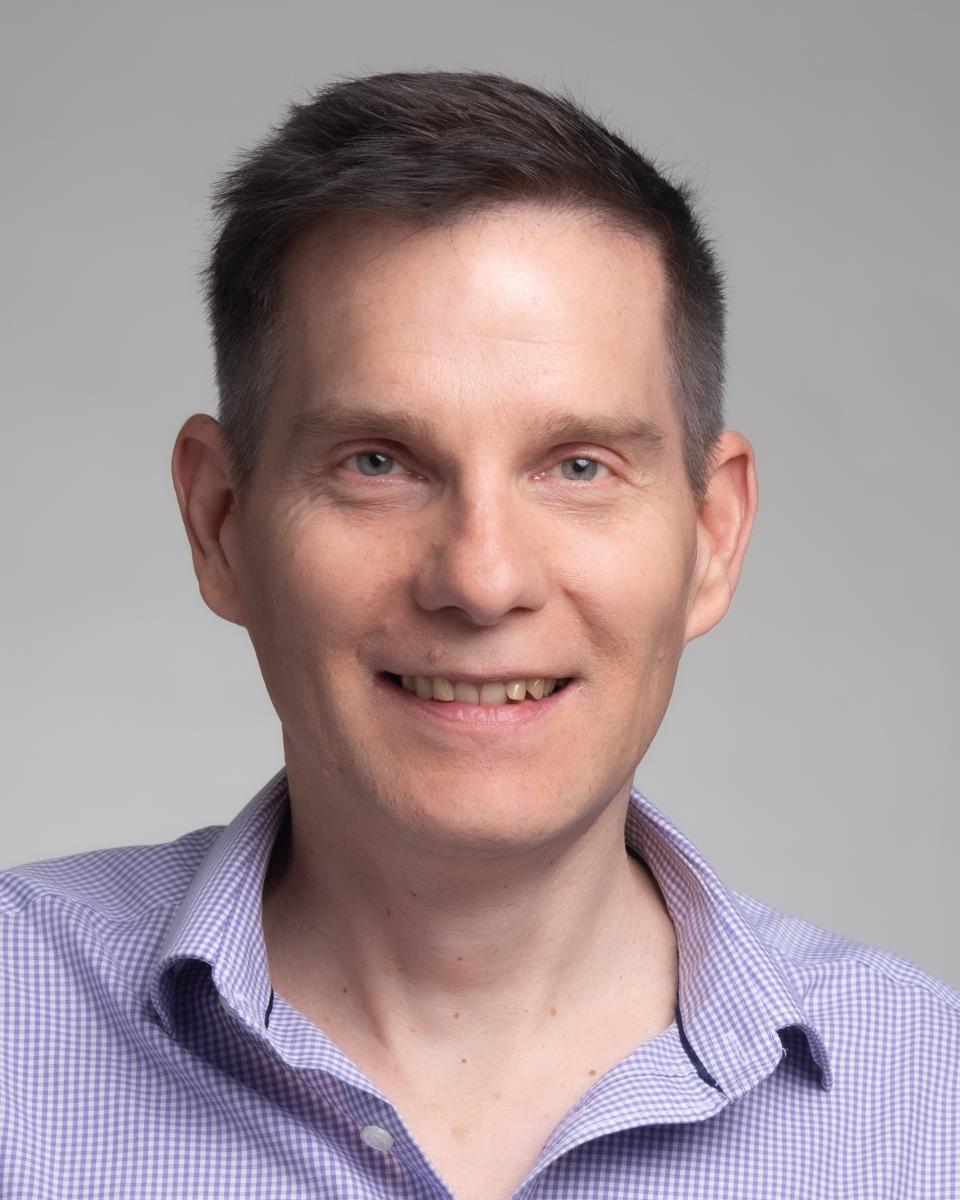
Philip is one of the world’s foremost invasion biologists. He has achieved distinction in the protection and maintenance of native biodiversity in New Zealand by increasing understanding of the risks and impacts of plant invasions as well advising how management can be made more effective and sustainable. The impact of his research has been acknowledged through his inclusion in the global list of Highly Cited Researchers in each of the last nine years, an accolade that recognises the true pioneers in their fields over the last decade. He was elected to the Fellowship of the Royal Society of New Zealand in 2013 and subsequently received its prestigious Hutton Medal in 2019 for his outstanding contributions to knowledge about plant invasions in New Zealand and internationally. His recent research has examined the spatiotemporal population dynamics of wilding conifers in New Zealand, eco-evolutionary shifts in weeds following their introduction into new regions, and the susceptibility of New Zealand ecosystems to plant invasions. He is a coordinating lead-author on the current Invasive Alien Species Assessment being undertaken by the UNDP Intergovernmental Science-Policy Platform on Biodiversity and Ecosystem Services.
2021: Professor Doug Armstrong
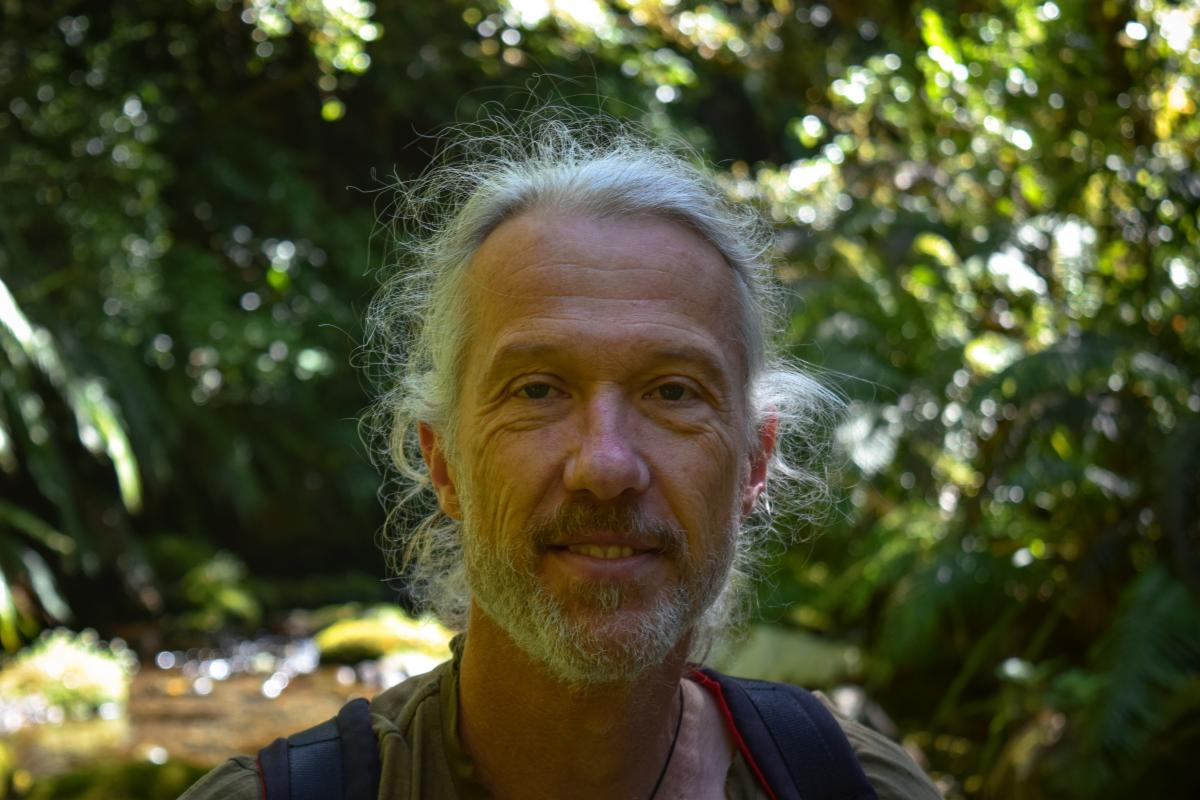
Doug is an independent wildlife scientist who recently retired as Professor of Conservation Biology at Massey University. His research over the last 30 years has addressed multiple challenges involved in conserving threatened wildlife, especially through translocations. This research has involved intensive monitoring, usually with marked individuals, and a strong emphasis on manipulative experiments, integrated Bayesian population modelling, and decision analysis. Current projects include assessing our capacity to reintroduce New Zealand birds to large landscapes, understanding the role of individual growth rates on population dynamics of turtles, and improving monitoring methods for frogs and lizards. He is a long-term contributor to the IUCN Conservation Translocation Specialist Group, including co-authoring the current IUCN translocation guidelines, and is a member of New Zealand frog and hihi recovery groups.